The Frozen Berry Protocol: What a Declassified Cold War Document Revealed About Restoring Clear Vision — Without Needles, Surgery, or Eye Drops
— No Injections. No Side Effects. No Prescriptions. —
If your vision is fading and the fear of losing your independence haunts you, this free medical presentation reveals what 21,000+ patients discovered — and why the mainstream eye care industry still hasn't explained how it works.
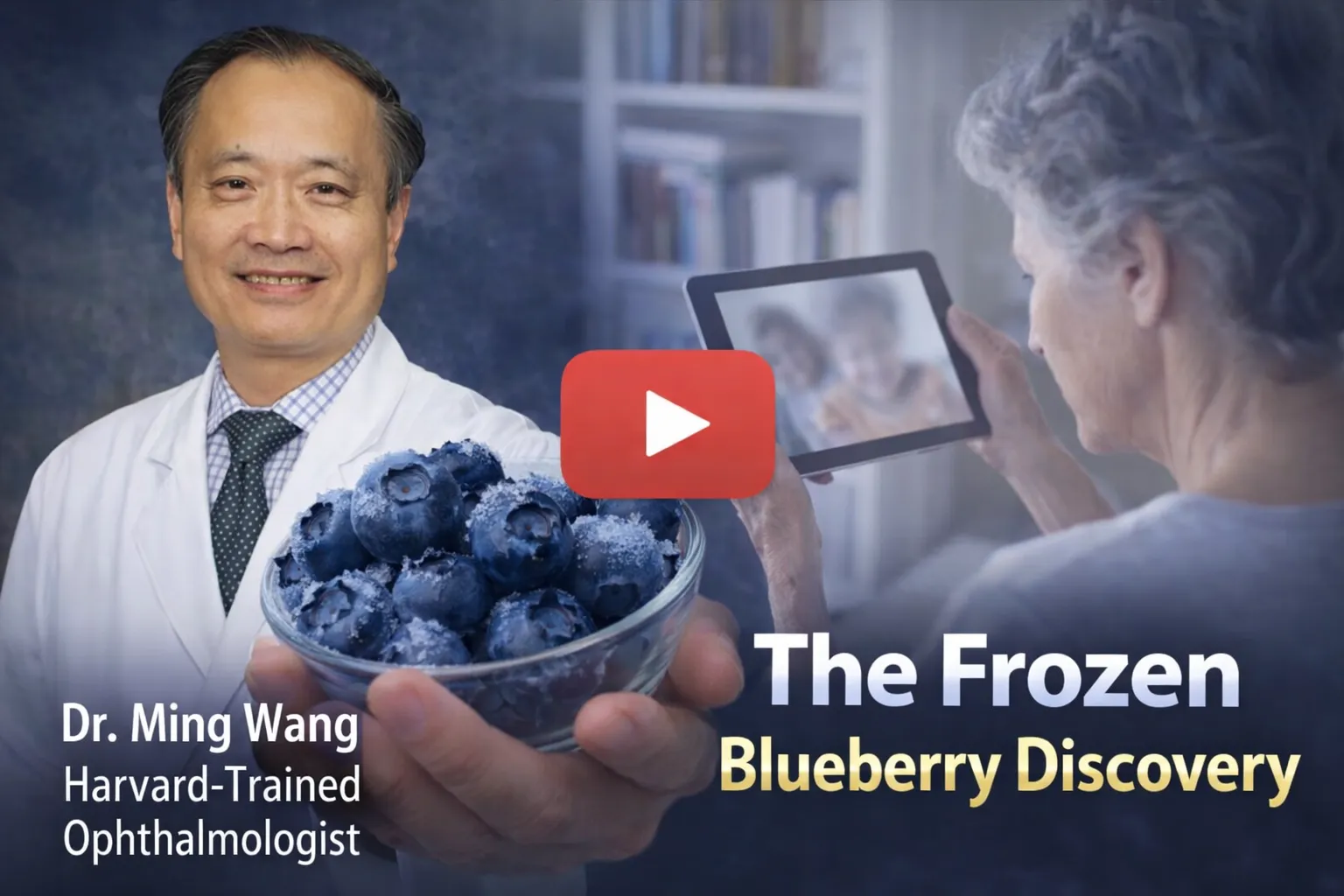 ▸ FREE PRESENTATION
Click to watch the free medical presentation
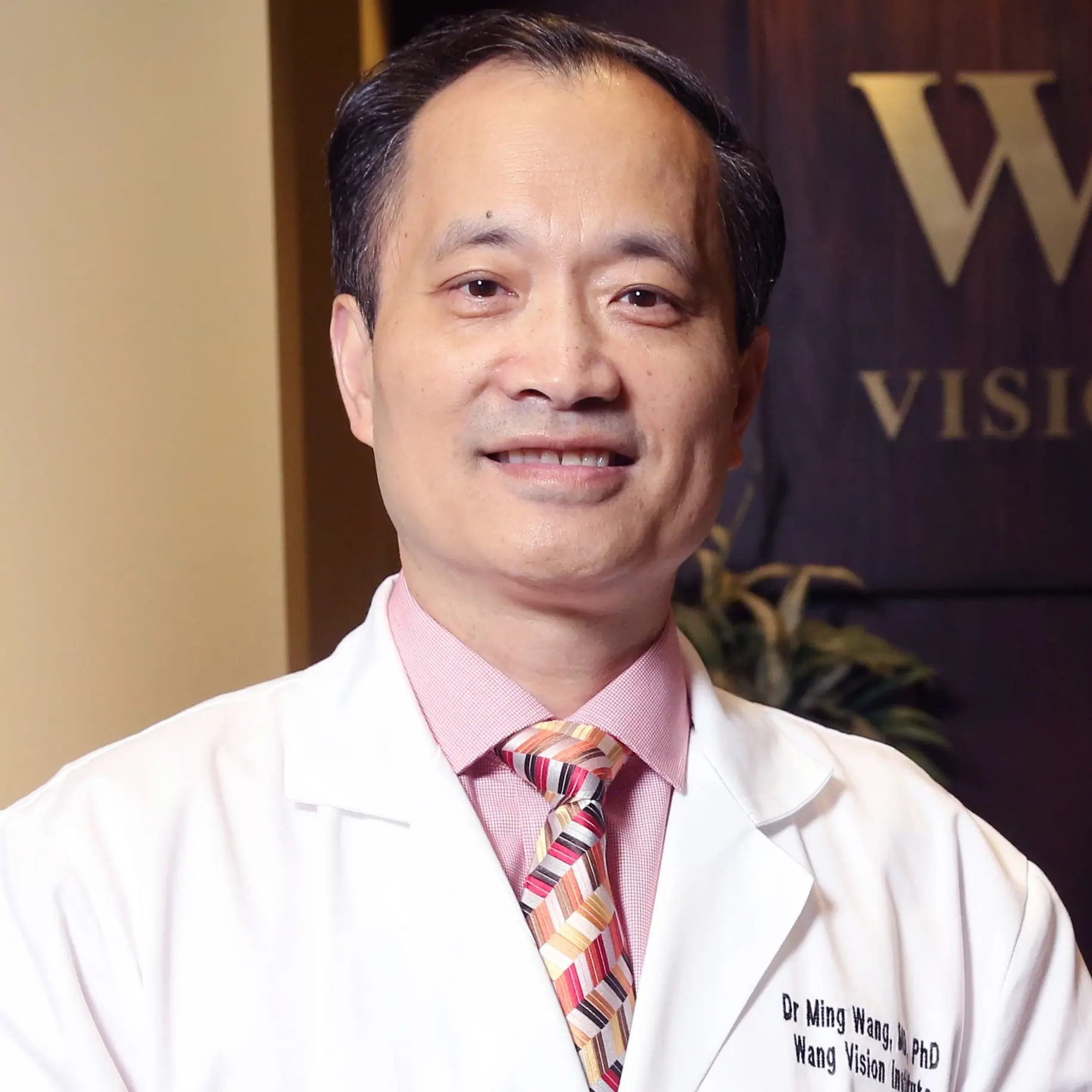
Author, From Darkness to Sight
No credit card • No registration • Just the research
Are You Experiencing This?
Do You Recognize These Warning Signs?
If any of these are part of your daily life, this presentation may be the most important thing you watch today.
Difficulty Driving at Night
Headlights look like starbursts, halos, or fireworks. Night driving feels dangerous or impossible.
A Blurry Spot in the Center
That persistent blur that won't go away — even with new glasses, brighter light, or stronger prescriptions.
Straight Lines Look Wavy
Door frames, book text, or fence lines appear distorted or curved. A classic sign of macular change.
Faces Becoming Harder to See
The faces of people you love are starting to blur — even from across the dinner table.
Losing Your Independence
Driving, reading, cooking, walking alone — everyday things now feel uncertain and frightening.
Colors Looking Washed Out
The world looks dull, muted, grey. The vibrancy you remember is slowly fading away.
"I'm 71 and had been losing my vision for 5 years. My eye doctor told me to keep using the drops and 'manage it.' When I found this presentation, I didn't expect much. But after following the approach, it was like someone wiped the fog off a windshield I didn't know was dirty. I can read labels at the store again."Real patient account — AMD support community
The Research
What Emerging Science Is Revealing About Macular Degeneration
Recent studies are pointing to a specific biological process as a key factor in AMD progression — and a natural compound that may help address it. This is what the medical establishment has been reluctant to discuss.
Dr. Ming Wang, M.D., Ph.D.
Led clinical observations with 550+ participants in collaboration with teams at leading U.S. research institutions. Over 21,000 patients documented worldwide.
Backed By Clinical Observation
Participants studied across AMD, cataracts, glaucoma, and diabetic retinopathy in controlled observation settings.
Patients Have Tried This Approach
Documented results spanning lens clarity, retinal response, color perception, and night vision recovery.
Lower Progression Risk Noted
In participants using the specific anthocyanin compounds at the center of this research protocol.
"I was skeptical, but after watching the presentation I finally understood why my drops and injections weren't working. Now I look forward to mornings."
"After years spending thousands on eye injections that barely helped, I found this. The difference after just a few weeks — I don't have words."
"My wife made me watch it. I'm a skeptic by nature, but the research made sense. I can now read the clock across the room again."
Understanding the Science
How Screen Radiation Damages Your Eyes — and What the "Frozen Berry Protocol" Targets
Most conventional approaches may not address the root issue. Here's what the research suggests about why standard treatments often plateau — and what this protocol appears to do differently.
Common Approaches — Their Limits
- Eye drops lubricate the surface but don't reach damaged internal tissue
- Injections suppress leaking vessels temporarily — the cause remains
- Glasses compensate for damage but never reverse it
- Surgery carries high cost and risk with often limited long-term benefit
What This Protocol Targets
- Arctic blueberry anthocyanins may activate the eye's stem cell repair system
- Lutein + zeaxanthin complex shields eyes from screen radiation damage
- Astaxanthin fuels mitochondrial energy inside eye cells
- All 3 target the lens, retina, and optic nerve simultaneously
◆ The "Eye Rebirth Effect" — What the Protocol Targets
Dr. Wang's approach is designed to support the eye's natural stem cell repair mechanism — targeting oxidative stress at the source. The free presentation explains the specific cryogenic extraction process, why it matters, and why most commercial formulas fail to deliver these results.
Why this matters now: AMD is progressive. Most people wait until their vision loss is severe before seeking alternatives. The presentation covers what to look for, the 7-question self-check, and questions to discuss with your eye doctor.
Don't Let Another Day Pass
Without This Information
Every day without understanding the real cause of AMD is another day without the right tools. This free presentation takes less than 25 minutes — and it could fundamentally change how you approach your eye health.
▸ Watch the Free Presentation NowFree presentation available for a limited time.
Common Questions
Frequently Asked Questions
Is my current supplement (like PreserVision) still worth taking?
AREDS-based formulas target specific nutrient gaps but weren't designed to activate the eye's regenerative pathway. The presentation explains how the two approaches differ — and whether they may complement each other.
Will AMD eventually affect my ability to drive?
For many people, yes — AMD can progress to the point where driving becomes difficult or unsafe. The presentation covers early warning indicators and what emerging research suggests about supporting vision health proactively.
I'm struggling to recognize faces — Is this normal with AMD?
Difficulty recognizing faces is a common sign of central vision loss. The presentation addresses why this happens at the cellular level and what the clinical data shows about approaches targeting this specific type of damage.
Is this affordable on a fixed income?
The presentation covers all details. Many patients have noted it costs significantly less than ongoing injections, drops, or surgical interventions.
Why do doctors often just monitor AMD without actively intervening?
The standard model of care for dry AMD focuses on observation because there were limited options for active intervention. This presentation explores a different pathway that clinical researchers are now investigating.
Free access — limited time only